About Alpaca
Alpaca Fleece
• is classified as a luxury fibre by textile industries.• is Hypoallergenic - has little or no Lanolin and the absence of barb-like cuticles makes Alpaca a natural alternative product for people with sensitive skin.• is stronger, lighter and warmer than wool.• is as soft as cashmere.• comes in 22 natural colours, including whites, fawns, browns, blacks and greys.• has an average yeild, unskirted, of 2.5 - 3kg.• can be spun, knitted, woven, felted and dyed.• is used in high quality fashion garments as well as in the craft industry.
Two Types of Alpaca: Huacaya and Suri
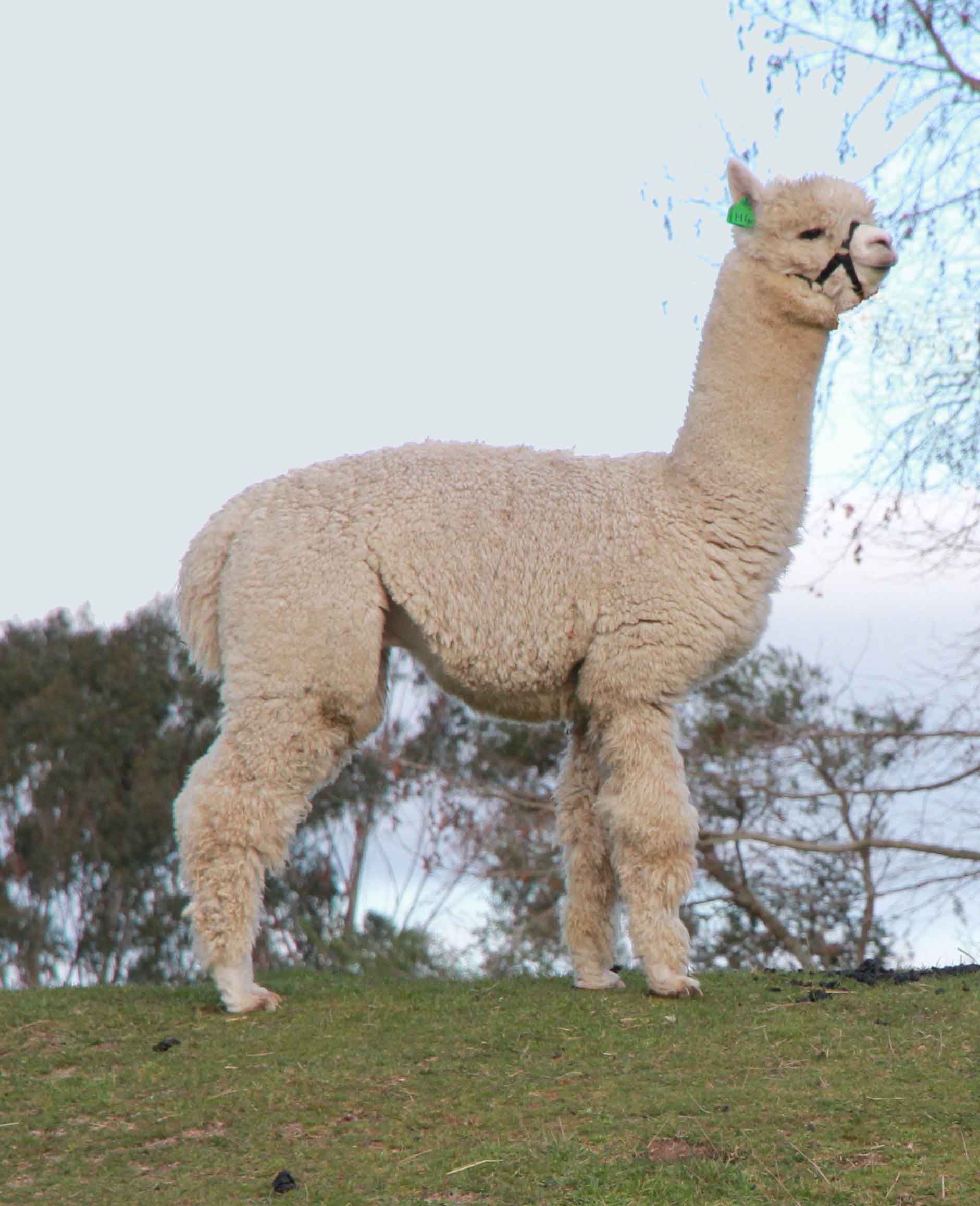
HeadingHuacaya (wa ky uh)
Huacaya grows a dense, soft, lustrous fleece with a merino-like crimp, has staple definition and grows out from the body. Brenor Alpaca are hooked on these curious, intelligent, easy care animals.

Suri (soo ree)
Suri have long "dreadlocks" of lustrous, silky, soft handling, dense locking fleece hanging straight down from the body.
Alpaca versus Llamas - what's the difference?
Alpaca, llamas, guanacos and vicunas are all part of the camel (camelid) family tree. Alpaca are smaller than the llama standing at just under a metre at the shoulder.Alpaca are bred for their fleece and alpaca fibre is world renowned for its soft handle and lustre and is often compared to fine merino and cashmere.Llamas are "beasts of burden". They are used for carrying loads on their backsides in special packs. Although llamas are not seen as a fibre producer, llama fibre is used a lot in South America.
